
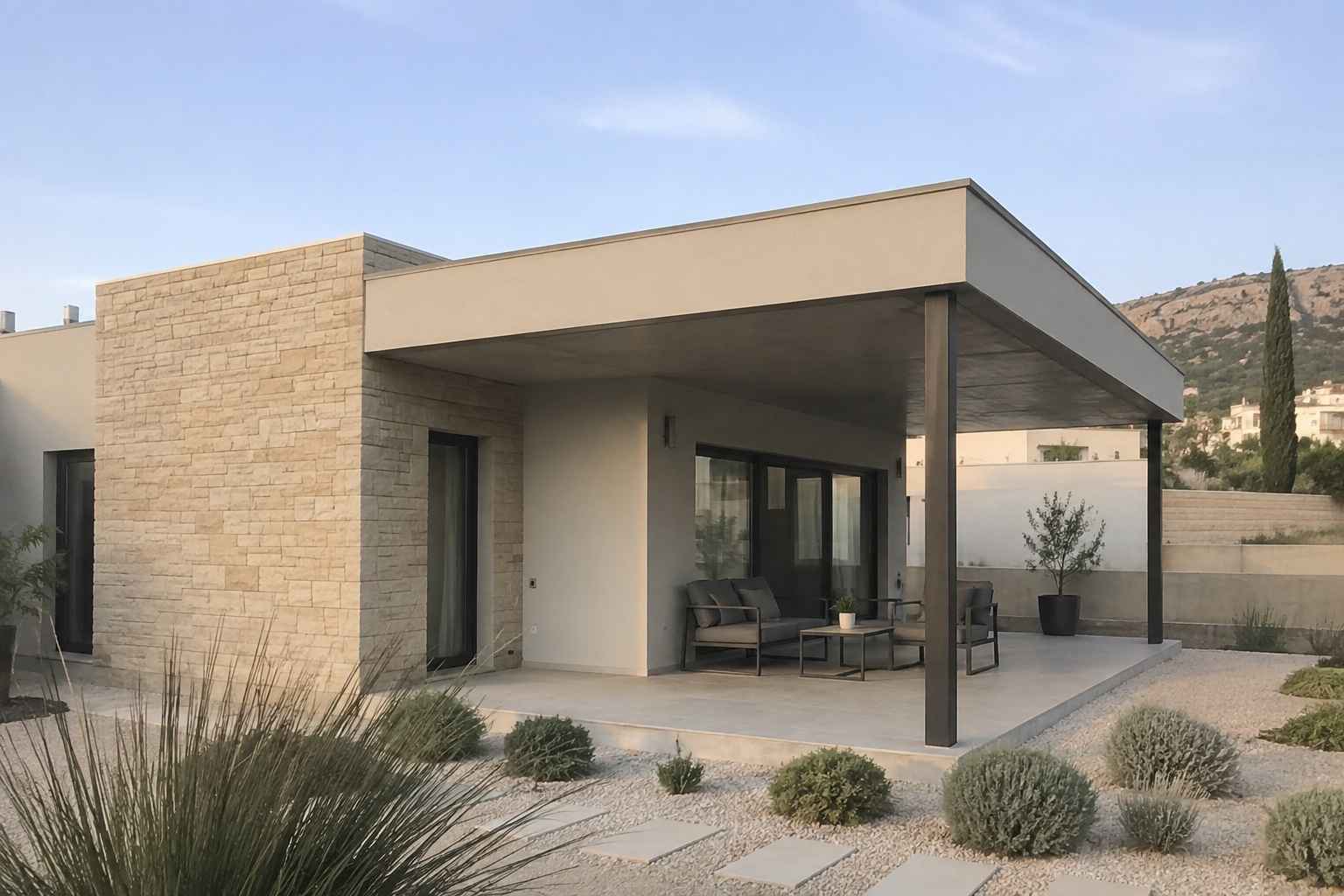
Building materials play a major role in controlling indoor temperature and household energy use. Walls, roofs, floors, windows, and exterior finishes can either slow heat transfer or allow heat to move quickly into and out of a home.
Indoor thermal comfort depends on several conditions, including air temperature, humidity, airflow, radiant temperature, and material thermal conductivity.
Materials with strong insulating properties slow heat movement, while materials with high thermal mass can absorb and release heat over longer periods.
Choosing materials suited to local climate conditions can help maintain stable indoor temperatures while reducing dependence on heating and air-conditioning systems.
Better material choices can also lower electricity use, reduce utility costs, and improve overall energy efficiency.
Insulation and Heat Control
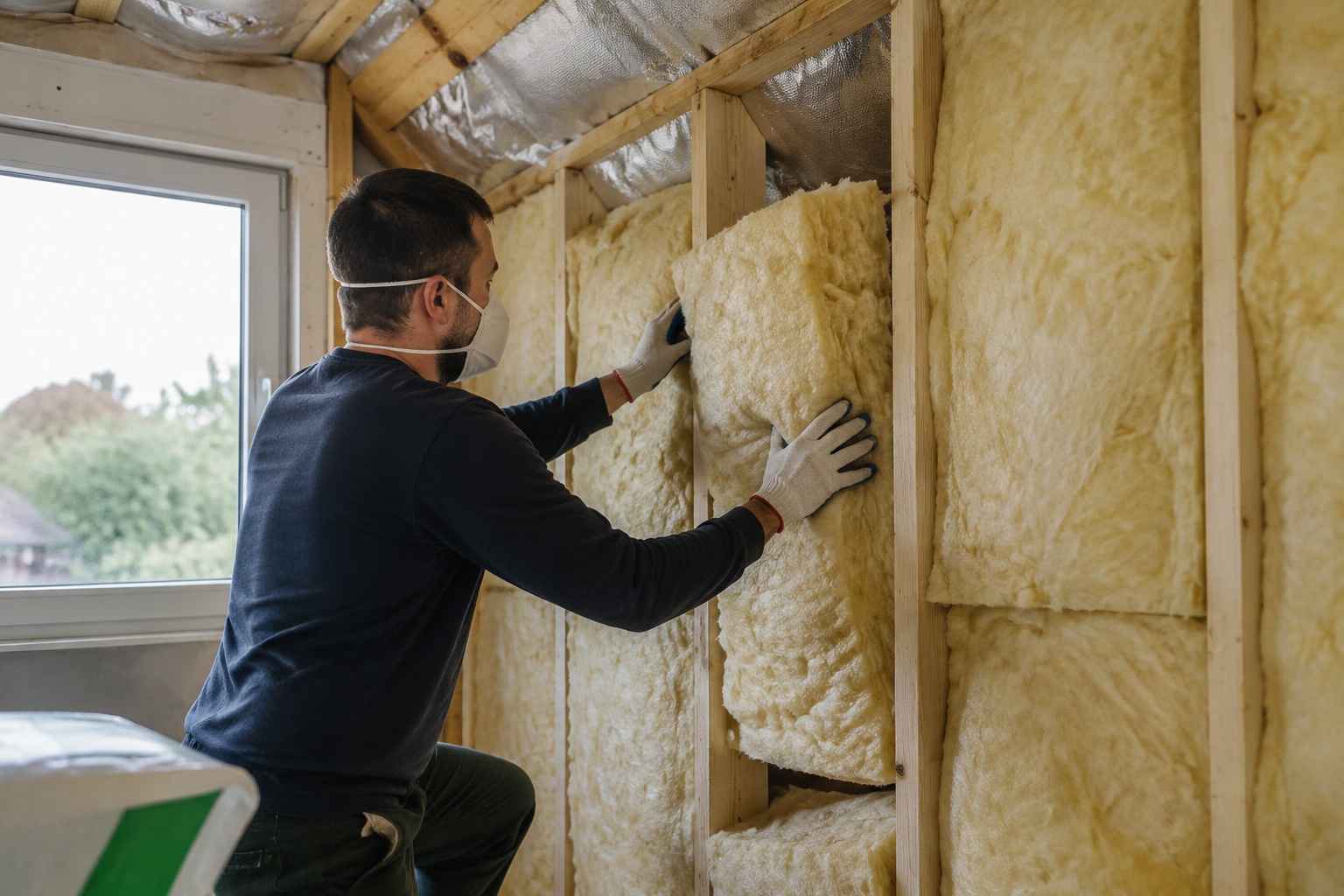
During hot weather, it slows outdoor heat entering interior spaces. During colder periods, it helps keep indoor heat inside.
Common insulation materials include fiberglass, mineral wool, spray foam, and rigid foam. Each option has different thermal properties, installation requirements, and costs.
Fiberglass insulation can reduce energy consumption by up to 30% under suitable conditions.
Spray foam provides another benefit by sealing cracks and gaps that can allow conditioned air to escape. Reduced air leakage helps heating and cooling systems maintain target temperatures with less energy.dou
Research involving modeled homes in three Nigerian climate zones produced measurable cooling and electricity savings when insulation and shading were used together:
- Annual cooling loads fell by 27.6% to 37.9%.
- Electricity savings reached approximately 3,280 to 4,549 kWh per year in the modeled home.
Similar heat-control principles are highly relevant in Cyprus, where long periods of strong sunshine and high summer temperatures can increase cooling demand.
Properly insulated steel frame houses by Elythera Investments can use well-designed wall and roof assemblies to help limit daytime heat gain and reduce pressure on air-conditioning systems.
Roof insulation can be especially important because roof surfaces receive large amounts of solar radiation.
Limiting heat transfer at roof level can reduce indoor temperature increases during hot afternoons and help create more comfortable living conditions.
Thermal Mass Materials for Better Indoor Temperature Control
Concrete, brick, and stone have high thermal mass, meaning they can absorb significant amounts of heat before their temperature rises substantially.
Stored heat can later be released gradually as surrounding temperatures fall.
Homes using high-thermal-mass materials can experience smaller indoor temperature swings during a typical day.
Heat absorbed during warmer hours can be stored within walls or floors instead of immediately increasing indoor air temperature.
Thermal mass can also reduce mechanical cooling needs when it is used effectively. One residential analysis found that a high-thermal-mass house achieved a 43.3% reduction in cooling demand.
Good results depend on correct design. Thermal mass works particularly well alongside insulation, shading, and suitable ventilation.
Poor placement or excessive solar exposure can cause stored heat to increase indoor temperatures instead of improving comfort.

- Shaded walls and floors can absorb indoor heat without excessive direct solar heating.
- Night ventilation can help release stored heat before daytime temperatures rise again.
- Insulation can limit unwanted heat movement through exterior building surfaces.
Using building materials as part of temperature control reduces the amount of work required by mechanical cooling and heating equipment.
Indoor conditions can become more stable, while energy demand may decrease.
Cool Roofs and Solar Heat Reduction
Dark surfaces often absorb more solar radiation, which can raise roof temperatures and increase heat transfer into interior spaces.
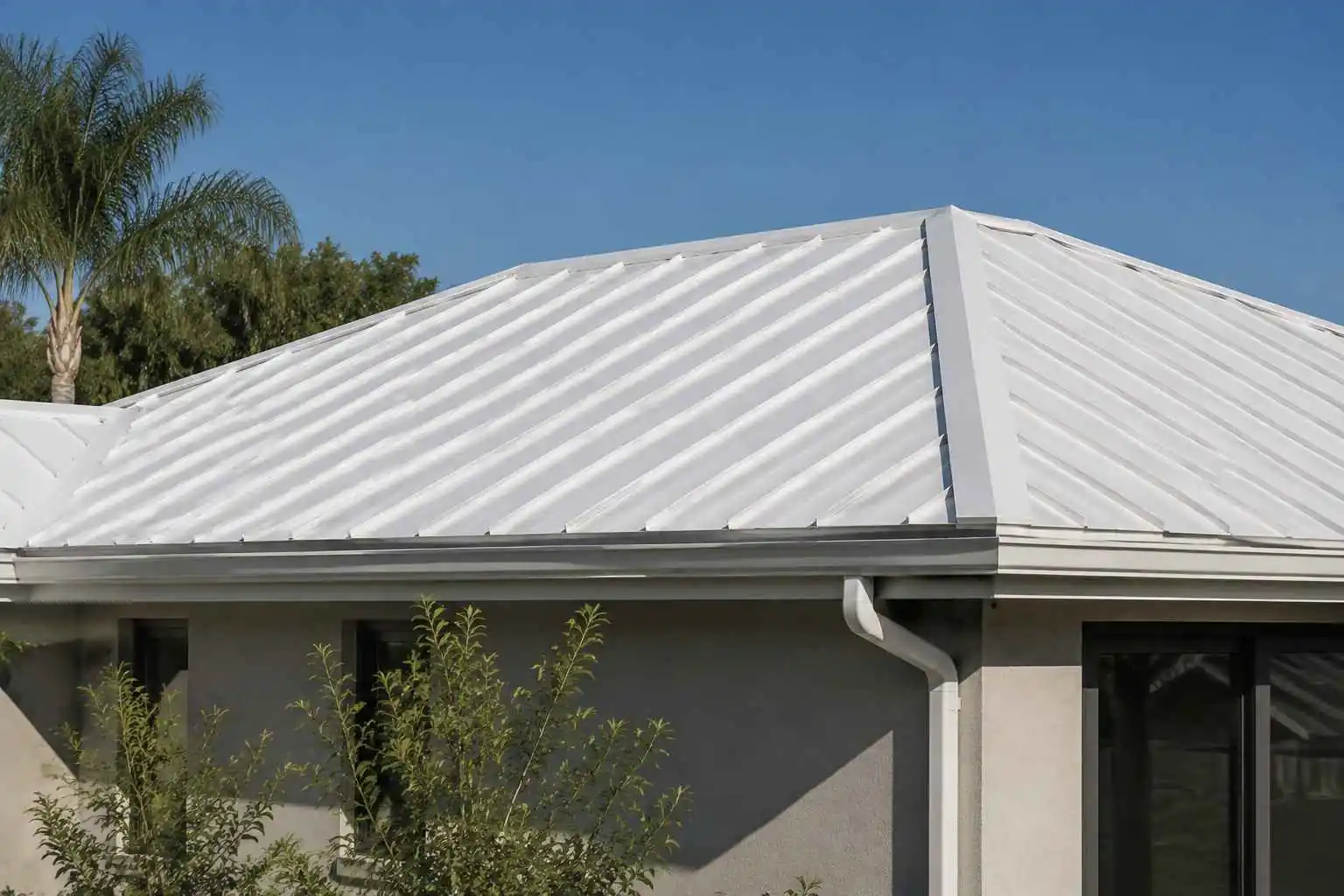
Cool roofs use light-colored or reflective surfaces that return a larger portion of incoming sunlight instead of absorbing it. Lower heat absorption can reduce roof surface temperatures and decrease heat entering rooms below.
Measured cooling-energy savings associated with cool roofs have varied considerably according to building and climate conditions.
A review covering more than 25 studies reported savings ranging between 2% and more than 40%, with average savings of about 20%.
Radiant barriers can also reduce heat transfer associated with solar radiation. Light-colored exterior finishes offer another method for limiting heat gain on walls exposed to strong sunlight.
Cyprus is particularly suited to these approaches because summer sunshine can produce substantial solar heat loads.
Reflective roofing materials and light-colored exterior walls can reduce heat buildup inside homes and lower air-conditioning demand.
Roof design can work together with insulation for greater temperature control.
Reflective surfaces reduce solar absorption at the exterior, while insulation slows heat that still passes through the roof assembly.
Energy-Efficient Windows and Glazing
Poorly insulated glazing allows indoor heat to escape during colder weather and outdoor heat to enter during hot periods.
Double glazing uses two glass panes separated by a sealed space.
- U-factor, which indicates how readily heat passes through the complete window assembly.
- Lower U-factor values indicate stronger resistance to heat transfer.
Triple glazing adds another pane and an insulating cavity. Air or insulating gases inside these cavities slow heat transfer through the window.
Several glazing technologies can further improve window performance:
- Low-E coatings reduce infrared heat transfer while still allowing visible daylight through the glass.
- Argon between panes reduces heat transfer because it has lower thermal conductivity than ordinary air.
- Krypton can provide similar insulating benefits and is often used where narrow glazing gaps require stronger thermal performance.
Window performance also depends on frame materials, installation quality, orientation, shading, and air tightness. Gaps around window frames can reduce efficiency even when high-performance glass is installed.
Homes in hot, sunny climates can benefit greatly when efficient glazing is paired with external shading.
Reducing direct solar exposure at windows can lower indoor temperatures and decrease cooling requirements.
Energy-Efficient Building Materials and Their Environmental Benefits
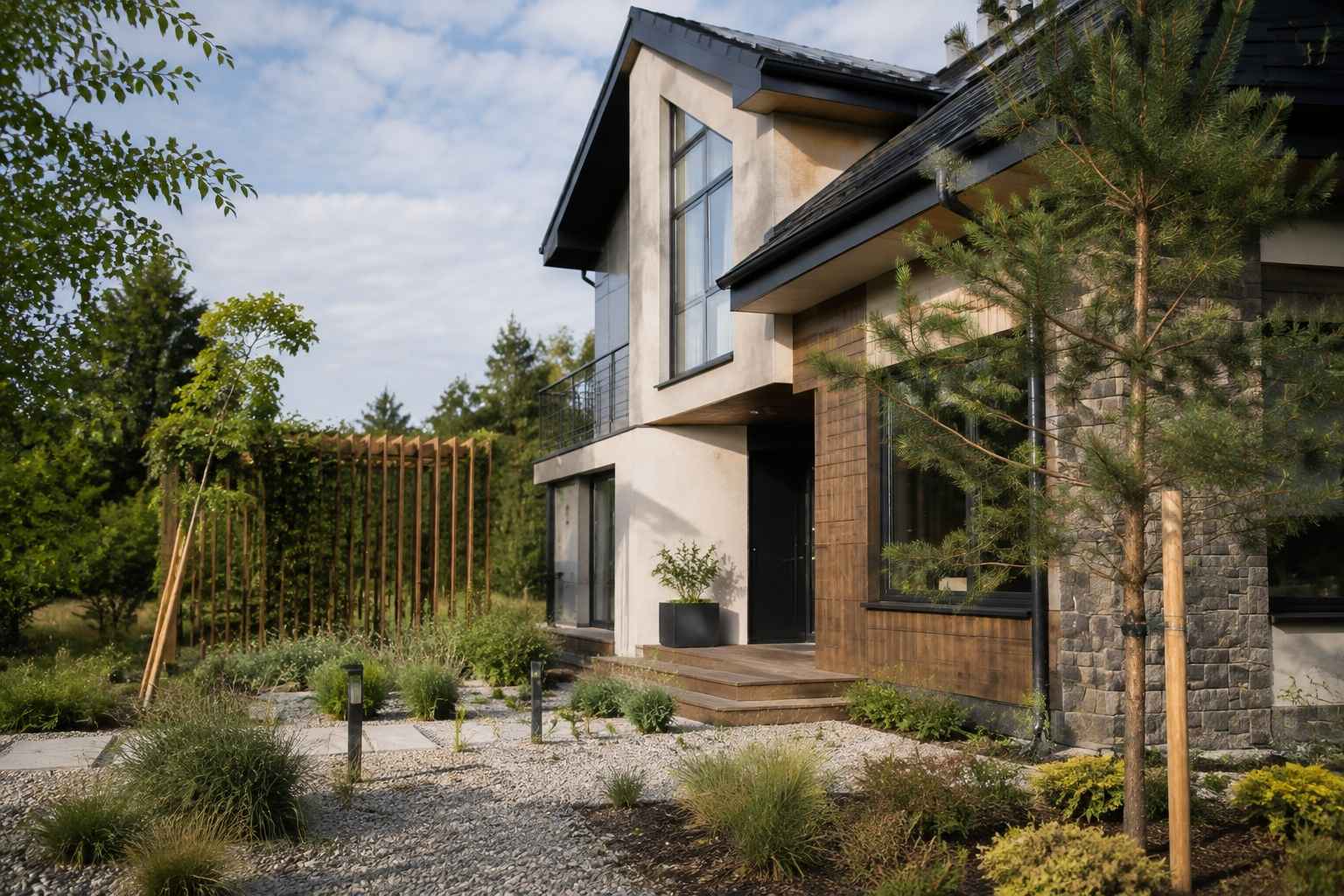
Energy-efficient building materials can improve overall building energy-use efficiency by as much as 50% in suitable applications.
Actual savings vary according to climate, building design, material selection, installation quality, occupancy, and heating or cooling habits.
Cyprus has also set national targets for improving residential building performance. Current plans call for average primary energy use in homes to fall by 16% by 2030 and by 20% to 22% by 2035, with approximately 3,365 deep residential renovations planned each year between 2026 and 2030.
Lower heating and cooling demand reduces household electricity or fuel consumption. Smaller energy requirements can also lower utility bills and reduce carbon emissions associated with building operation.
Material selection can affect environmental impact in additional ways.
Recycled concrete, autoclaved aerated concrete, cork, and cellulose can provide useful thermal properties while supporting lower-impact construction approaches.
Autoclaved aerated concrete, often called AAC, contains numerous air pockets that reduce heat transfer compared with denser conventional masonry.
Cork provides natural insulating properties, while cellulose insulation commonly uses recycled paper-based material.
Environmental gains are strongest when thermal performance, durability, maintenance requirements, and local climate needs are considered together.
A material that reduces cooling demand for many years can offer substantial energy savings over the life of a building.
FAQs
Closing Thoughts
Building materials directly affect indoor temperature stability, energy consumption, and household comfort.
Insulation slows unwanted heat transfer, thermal mass moderates temperature changes, reflective roofs reduce solar heat absorption, and efficient glazing limits heat movement through windows.
Strong results usually come through several complementary measures working together.
Insulated walls and roofs, high-thermal-mass construction, reflective exterior surfaces, suitable shading, controlled ventilation, and efficient glazing can collectively reduce heating and cooling needs.