

A house ages in small ways long before anything dramatic breaks. Hinges loosen. Gutters pick up sediment. Filters clog. Weather shifts and pulls your attention in different directions.
Most people notice problems only when something squeaks, leaks, or trips a breaker. A steadier routine lowers stress and keeps repair bills from snowballing. Seasonal habits give structure to that routine, and you gain a clearer sense of what your home needs at specific points in the year.
Today, we prepared a detailed, practical guide set up season by season, and some steps you can follow without turning home care into a part-time job.
Spring – Repair, Refresh, Reset
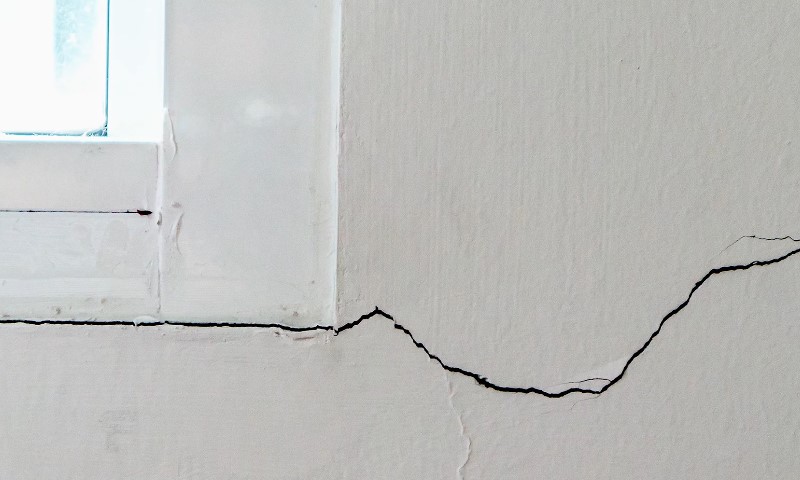
Spring usually brings moisture, temperature swings, and a long list of small fixes that accumulated while everything was shut tight during winter.
Exterior Inspection With a Clear Plan
Walk the property with a simple checklist. You are not looking for perfection. You want early warnings.
Check for:
- Loose or cracked siding near corners
- Small gaps in caulking around windows
- Signs of shifting soil near foundations
- Torn screens
- Downspouts that have pulled away from walls
If you catch something tiny at this stage, you avoid a major project later. For example, a gap in window caulk might take five minutes to seal. If you ignore it, water creeps in and swells the frame.
Roof and Gutter Cleanup
Spring storms send leaves into gutters even in areas with fewer trees. Clearing debris before heavy rainfall makes a noticeable difference in drainage.
A plastic scoop, gloves, and a stable ladder cover most situations. Hire a pro if the roof pitch looks risky or if your gutters sit high enough to make the climb uncomfortable.
If the gutters drain slowly after cleaning, the downspouts might be building up silt. A quick flush with a hose usually clears it.
If the debris keeps returning after storms, calling in Gutter Cleaning Specialists helps you keep the drainage system steady through the wetter months.
HVAC Shift from Heating to Cooling
As temperatures rise, the HVAC system transitions from furnace work to air conditioning. Swap the filter. Check it again after two or three weeks, because spring pollen often loads it faster than expected.
Interior Refresh
Spring also suits indoor resets. Wash or replace interior air filters beyond the HVAC system. That includes range hood filters, bath fan covers, and portable air purifiers. Dust tends to build up slowly, so this seasonal reminder helps you reset everything at once.
Summer – Airflow, Water Control, and Heat Management
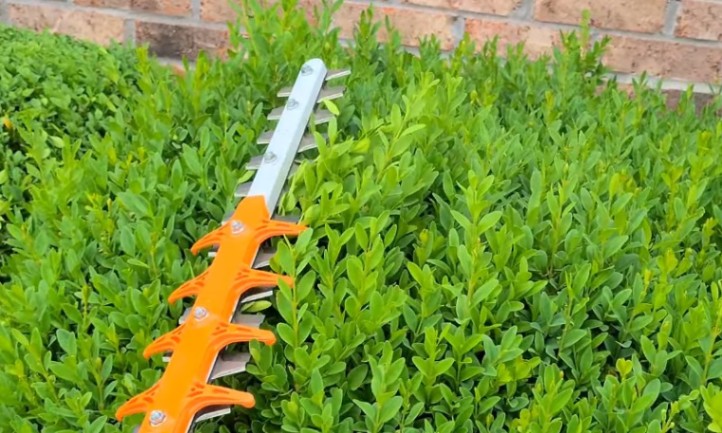
Summer puts stress on cooling systems, plumbing, and exterior materials. Heat expands wood, dries soil, and accelerates wear on anything exposed to sunlight.
Keep Your Home’s Cooling Efficient
Air conditioners thrive on consistent airflow. A few areas deserve your attention.
Check:
- Supply vents for blockages
- Return vents for dust buildup
- Thermostat position to ensure it is not hit by direct sunlight
- Insulation around refrigerant lines, which can decay under UV exposure
A small roll of insulation tape avoids energy loss along those lines and helps your system maintain a steady temperature with less effort.
Plumbing Watchpoints
Summer can place unusual demands on plumbing. Longer showers, guest visits, more cooking, garden watering, and outdoor hose connections all put extra strain on pipes.
Do a quick scan for:
- Minor damp spots under sinks
- Slow-draining tubs
- Weak flow from outdoor spigots
Even a small drip wastes water and signals a worn washer or loose connection. Tightening a nut or replacing a washer takes a few minutes and saves headaches later.
Lawn and Exterior Structure Care
Warm months encourage plant growth that can push roots toward foundations or fence lines. Trim shrubs so they do not trap humidity against the walls, because lingering moisture can create perfect conditions for mold. Maintain a small barrier between soil and siding.
If you have a deck, summer is the right time to check for:
- Soft patches in planks
- Loose railings
- Rusty nails or screws
- Faded sealant
Pest Prevention
Warmth brings insects, and insects head toward moisture and shade. Walk the perimeter and look for small entry points. A tube of exterior caulk handles cracks and keeps ants or spiders from setting up inside wall cavities.
Autumn – Prep for Cold, Protect Against Wind, Strengthen Weak Spots
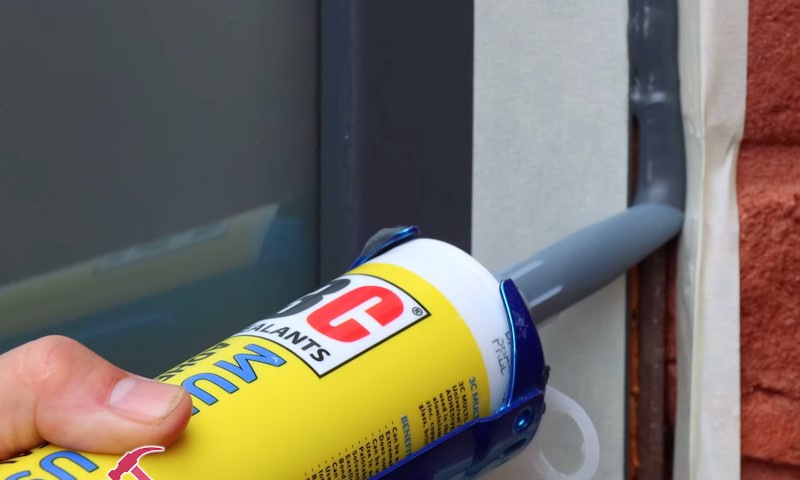
Autumn rewards thoroughness. Conditions shift quickly. You can move from warm days to sharp cold or storms in the span of a week, so a steady checklist helps tighten everything for the months ahead.
Heating System Readiness
Before the first real cold snap, change the HVAC filter again. The system will run harder in winter, and a fresh filter gives it a clean start.
If you rely on radiators or baseboard heat, vacuum the fins to remove dust. That improves efficiency and smell. The first time a heating system activates after months of rest, dust burns off and leaves an odor. A quick vacuum lowers that effect.
Chimney and Fireplace Prep
If you have a wood-burning fireplace, autumn is the seasonal moment for a chimney inspection. Creosote buildup becomes hazardous when ignored. Even gas fireplaces benefit from a check. Inspect the pilot light, clean glass covers, and look for soot accumulation.
Weatherproofing Windows and Doors
Small drafts sap energy and make rooms uncomfortable. Weatherstripping kits are inexpensive and easy to install. Foam strips seal gaps around doors. Clear film kits seal older windows. Take your time fitting everything so the adhesive sticks firmly.
Here is a simple table showing where drafts often develop and what usually fixes them:
| Draft Location | Common Cause | Quick Fix |
| Bottom of doors | Worn sweep | Install new door sweep |
| Window edges | Shrinking caulk | Apply fresh caulk |
| Outlets on exterior walls | Poor insulation | Add foam outlet gaskets |
| Attic hatches | Loose seal | Install weatherstrip around hatch frame |
Exterior Repairs Before Frost
Cold temperatures lock materials in place. Anything that requires drying time should be done early in autumn.
Examples include:
- Concrete crack filler
- Exterior painting
- Fence post reinforcement
- Deck stain
Moisture and cold interfere with curing, so aim to complete these tasks before temperatures drop below the recommended levels on product labels.
Winter – Stability, Safety, and Controlled Warmth
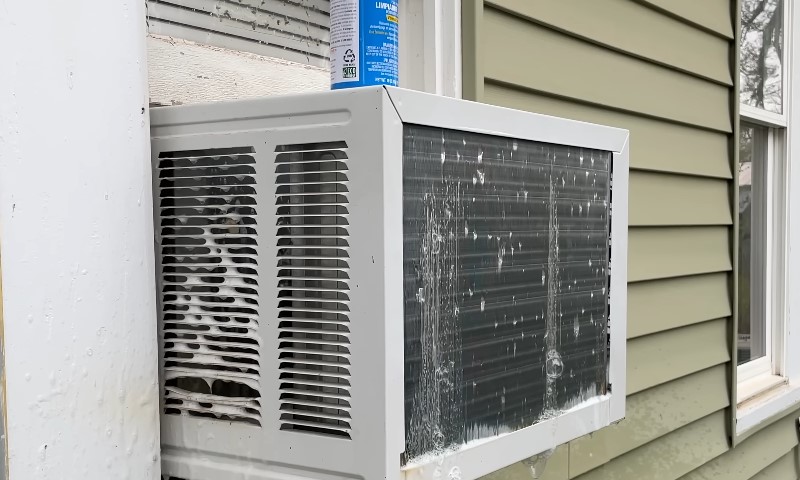
Winter encourages indoor routines. You notice tiny issues faster because you spend more time inside. This is the season for maintenance focused on safety and efficiency.
Indoor Air Quality and Ventilation
Heaters pull moisture out of rooms. Dry air irritates sinuses and causes wood to shrink. A portable humidifier makes a meaningful difference. Monitor indoor humidity and try to keep it in a comfortable middle range, often between 30 and 50 percent depending on your climate.
Check bathroom exhaust fans as well. Clean the covers. Make sure they vent properly.
Electrical System Watchpoints
Holiday lighting and electric heaters can push circuits harder than usual. Look for warm switch plates, buzzing outlets, or small flickers in lights. Those signals hint at loose connections.
Roof Load Awareness
If you live in an area with significant snowfall, track roof load. Wet snow weighs far more than dry snow. Use a roof rake to pull snow off the lower three to four feet of the roof when safe.
Inspect attic insulation too. Warm air rising through the ceiling melts snow unevenly and leads to ice dams. If you notice warm patches where snow melts faster, you may have heat escaping through the attic.
Heating System Daily Habits
Winter heating works best with gentle consistency. Instead of adjusting the thermostat repeatedly, set it at a comfortable baseline. Frequent large adjustments force the system to cycle harder.
Keep furniture away from vents. Even a small blockage reduces heat distribution.
Year-Round Smart Habits That Anchor Everything
Some maintenance tasks do not belong to any season. They sit in the background year-round and quietly extend the life of your home.
Monthly Filter Checks
Filters affect nearly every major system. HVAC, dehumidifiers, range hoods, portable air purifiers, and even dryers depend on steady airflow.
A clogged dryer vent becomes a real hazard. A quick monthly check, lasting just a couple of minutes, prevents lint buildup.
Water Leak Awareness
Small leaks often hide in plain sight.
Check:
- The base of toilets
- Water heater valves
- Under-sink traps
- Hose bib connections
- Refrigerator lines
A simple habit is to run your hand along each connection point once a month to feel for moisture. Many leaks start as slow seeping, not visible puddles.
Tool and Supply Readiness
A small kit saves time. Keep a dedicated bin or drawer with:
- Caulk
- Painter’s tape
- A basic socket set
- Sandpaper
- Spare air filters
- Utility knife
- Silicone lubricant
- Weatherstripping strips
When everything lives in one place, you reduce friction. You fix small issues in minutes instead of postponing them until the next hardware store trip.
Combining Seasonal Habits into a Steady Routine
View this post on Instagram
A seasonal plan does not require weekend-long work sessions. The point is to spread out tasks so nothing piles up.
You can divide the seasonal lists into mini-tasks and match them with weather or energy levels.
For example:
- One day for HVAC filter changes
- One day for exterior walkaround
- One afternoon for gutter clearing
- One hour for tightening interior hardware
- One Saturday morning for sealing or painting small outdoor repairs
Breaking work into smaller rounds keeps everything manageable.
Bringing It All Together
Seasonal maintenance stays manageable when you treat it as a rhythm rather than a chore list. You notice patterns in your home and learn how it reacts to weather, moisture, heat, and time.
A few minutes here and there hold back larger repair costs. Tools stay organized. Systems run more efficiently. You get more peace of mind knowing your home is stable across the entire year.
That is the core value of seasonal home habits. Steady care, done with intention, keeps your home comfortable, safe, and reliable from one season to the next.