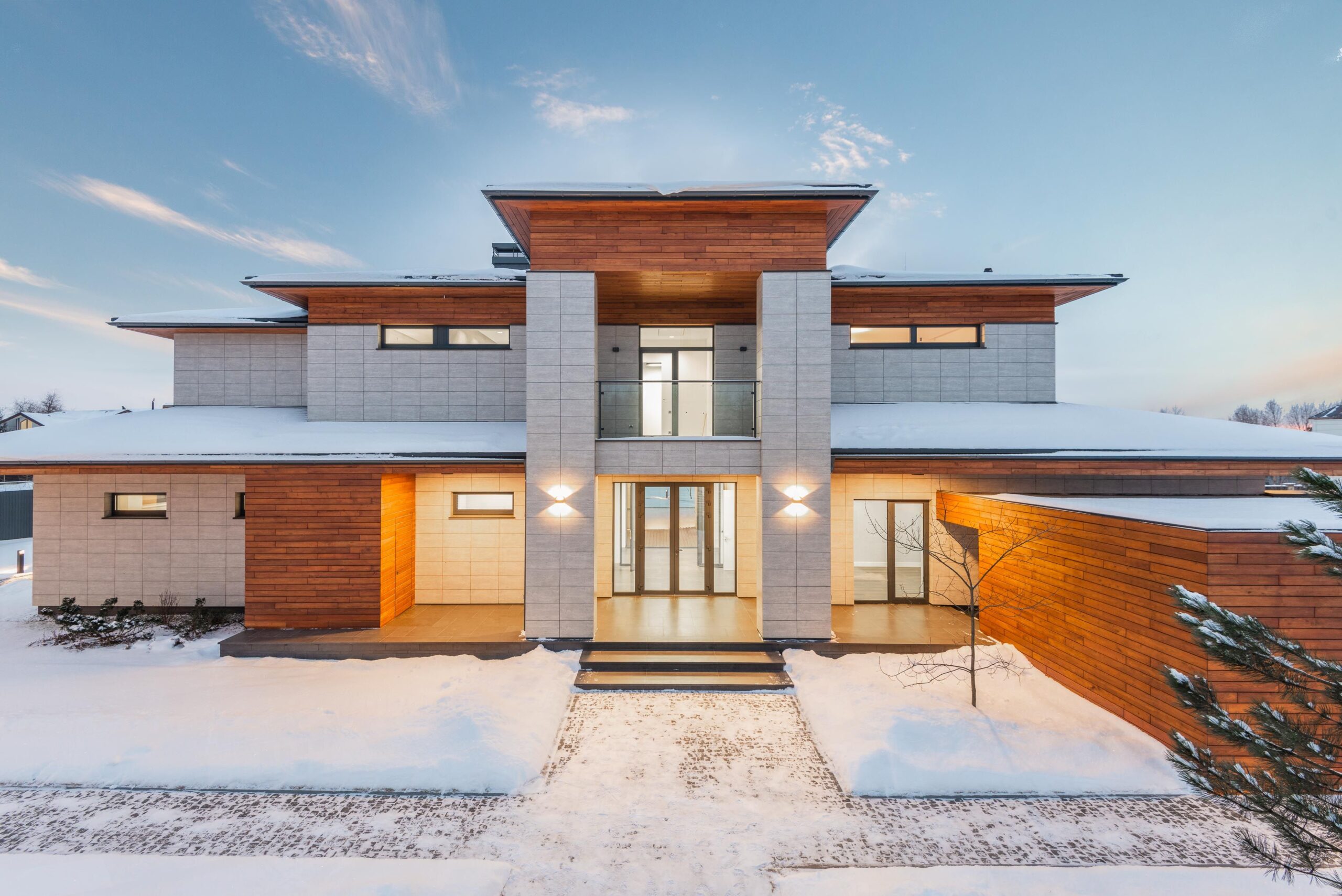
Exterior wall cladding does two jobs at once. It shapes how your home looks from the street, and it is the first line of defense against rain, wind, sun, pests, and temperature swings. If you want a home that needs little upkeep, the choice you make at the start will decide how often you climb a ladder with a paint roller for the next few decades. This guide walks through what to weigh, how the main materials compare, and what details matter as much as the product itself.
Table of Contents
- Why Maintenance Level Should Drive Your Decision
- Key Factors to Evaluate Before You Choose
- Comparing Common Cladding Materials
- Installation Details That Affect Long-Term Upkeep
- Balancing Upfront Cost Against Lifetime Cost
- Frequently Asked Questions
- Final Thoughts on Picking Low-Maintenance Cladding
Why Maintenance Level Should Drive Your Decision
Many homeowners pick siding based on color and style, then discover years later that the material needs repainting every few years or that small failures at the joints have turned into rot. A low-maintenance home is not one with no upkeep at all. It is one where routine tasks are predictable, infrequent, and simple to carry out. When you compare options, think about the following:
- How often the surface needs cleaning, and what cleaning method is safe for it
- Whether the finish is factory-applied and color-through, or needs repainting on a schedule
- How easily damaged panels can be spot-repaired or replaced without disturbing the whole wall
- Whether caulked joints and seams will need regular inspection
Key Factors to Evaluate Before You Choose
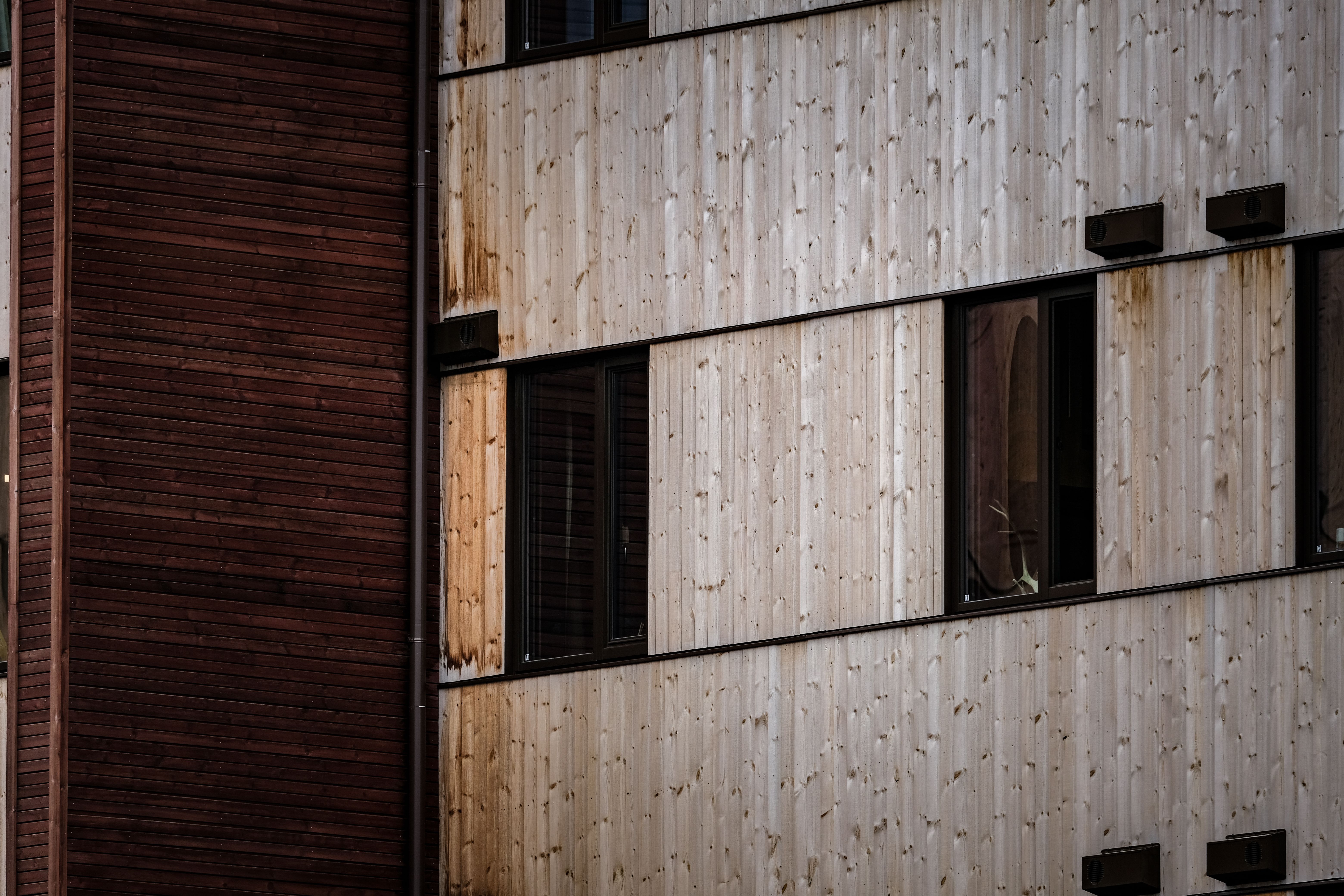
Before you fall in love with a sample board, check the material against your climate and site conditions. The same product can perform very differently on a windy coastal lot and on a sheltered suburban street. Focus on these points first:
- Moisture exposure: Rain, snow, and humidity affect how quickly a material degrades. Every siding product will eventually let some water through, so the wall behind it has to handle drainage.
- Fire resistance: In wildfire-prone areas or dense neighborhoods, noncombustible materials may be required or strongly recommended.
- Pest resistance: Insects and birds can damage some materials, while others are essentially immune.
- Impact resistance: Hail, flying debris, and everyday knocks from tools or bikes can dent softer surfaces.
- Weight: Heavier cladding may need more structural support, which matters on renovations and upper-story additions.
For a neutral technical reference on how these hazards are rated across siding types, the Building America Solution Center’s guide to moisture-, impact-, fire-, and pest-resistant exterior siding compares materials side by side, along with typical installed price ranges.
Comparing Common Cladding Materials
No single material wins every category. Metal and masonry tend to score well for durability and fire resistance, fiber cement balances appearance with low upkeep, and wood offers warmth but asks for regular attention. Vinyl remains popular for its low cost and easy care, though it rates lower on fire resistance. The table below summarizes typical maintenance demands and resistance ratings for common options.
Fiber cement is a common middle ground. It mimics wood grain without the same rot risk, and it resists fire and insects well. Manufacturers often pre-finish it, which can extend the time between repaints. Brick is another durable choice that needs little more than a yearly cleaning and occasional mortar repair, though it is heavy and can be costly to install. Metal stands out for wind and rain resistance, but it can dent, and installation usually calls for experienced crews.
If you are narrowing down options, it helps to review what a cladding system includes beyond the panels themselves, such as fasteners, trim, and finish warranties. Those details often determine how the wall performs ten years from now.
Installation Details That Affect Long-Term Upkeep
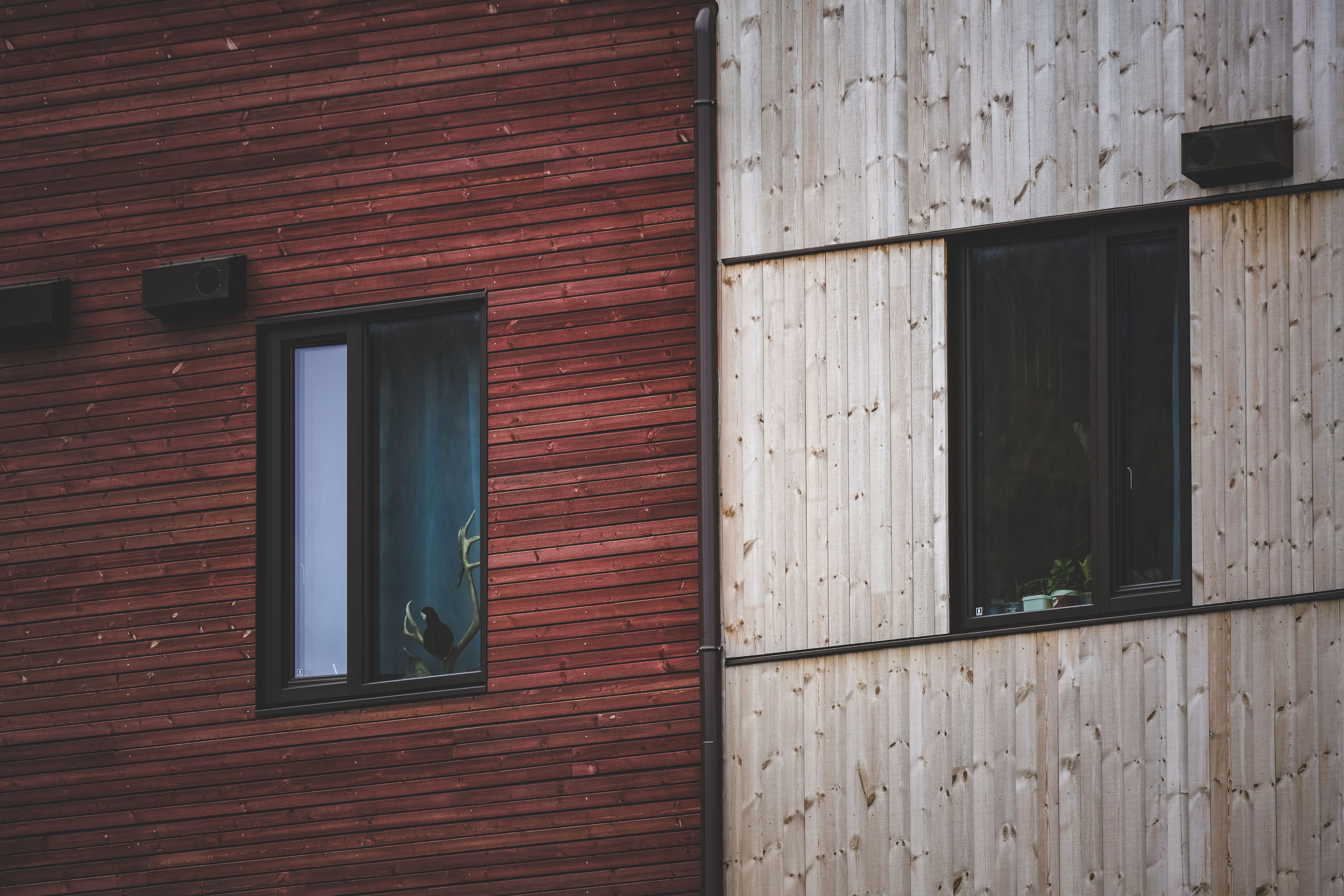
Even the most durable material can fail early if it is installed poorly. Many maintenance problems trace back to water getting behind the siding and staying there. Ask your installer whether the design includes these protective features:
- A water-resistive barrier behind the cladding to shed any moisture that gets past the outer layer
- An air gap or drainage space, sometimes called a rainscreen, so water can drain and the wall can dry
- Flashing at windows, doors, and roof edges that directs water outward
- Sealed joints using a compatible caulk, checked annually around windows and where boards meet
- Ventilated openings with insect screens at the top and bottom of the wall
Good installation also depends on the crew. Fiber cement and metal panels in particular often require specialized tools and techniques, so it is worth asking for references and reviewing completed jobs before signing a contract.
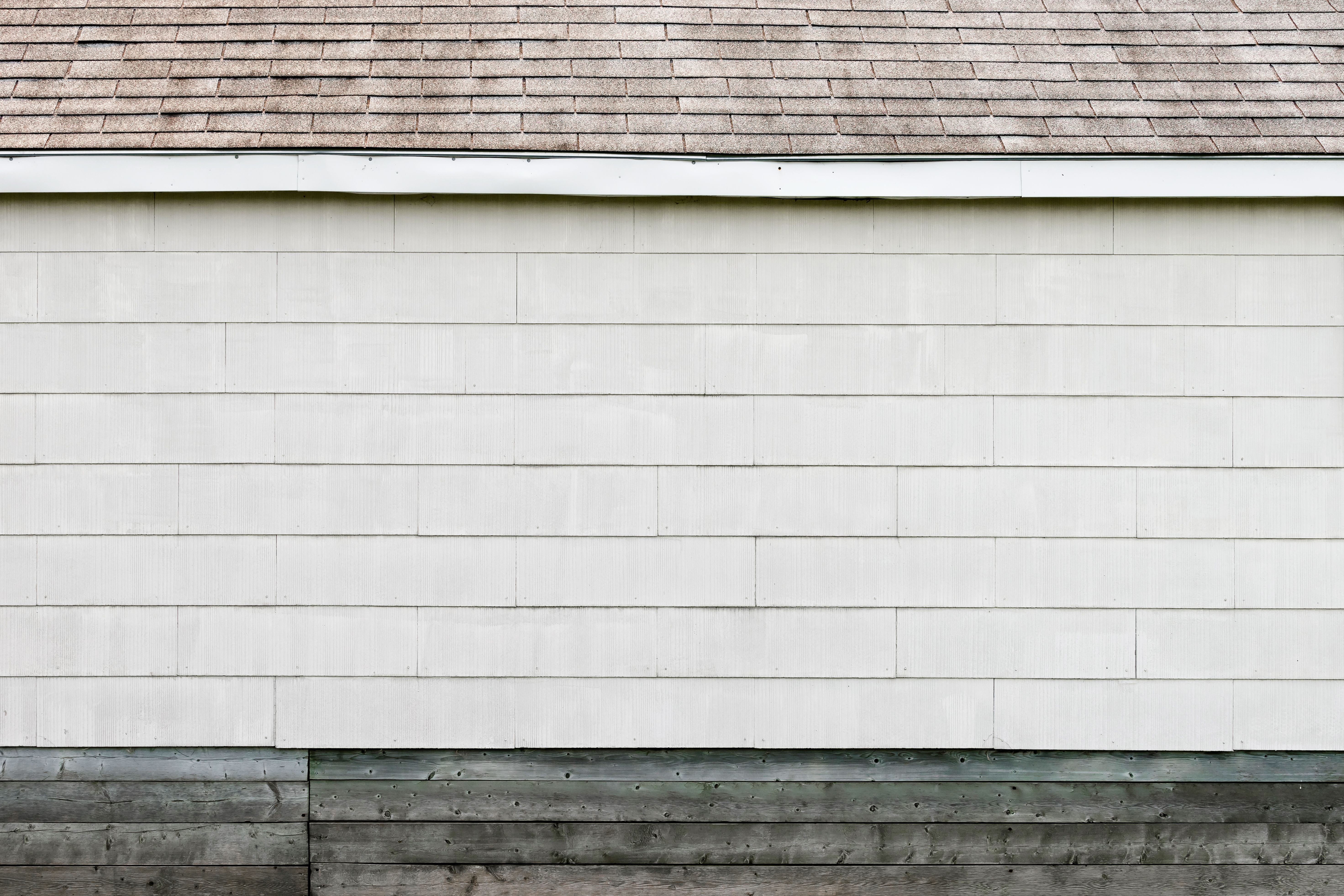
For a deeper look at how these layers work together, the NAHB Concrete Homes Technology Brief No. 15 explains how fiber cement siding is manufactured, finished, and maintained over time, including typical repainting intervals.
Balancing Upfront Cost Against Lifetime Cost
The cheapest material per square foot is not always the cheapest choice over the life of the home. When comparing bids, consider the total cost of ownership rather than the installed price alone:
- Initial material and labor costs, including trim, flashing, and underlayment
- Repainting or refinishing cycles, and the cost of scaffolding or lifts each time
- Expected repair costs for dents, cracks, or rot in vulnerable areas
- Insurance considerations, such as fire-resistance requirements in some regions
- Resale appeal, since some buyers prefer specific looks or durability guarantees
Warranties can help, but read the fine print. Some cover only manufacturing defects and require specific cleaning or painting schedules to remain valid. Ask for the warranty terms in writing and note any conditions you must meet.
Frequently Asked Questions
What is the most low-maintenance exterior cladding?
Metal, brick, and vinyl generally need the least routine upkeep because their finishes are factory-applied or inherent to the material. Fiber cement is also low maintenance, though it needs periodic repainting unless it is prefinished with a long-life coating.
How often does fiber cement siding need painting?
Repainting intervals vary by product and finish. Industry guidance commonly cites every 7 to 15 years for a well-maintained fiber cement wall, with prefinished products sometimes lasting longer.
Can I pressure wash my siding?
Usually only with care. Use a low-pressure setting, a wide fan tip, and keep the nozzle a safe distance from the surface. High-pressure spraying can force water behind the cladding and into gaps, so a soft brush with mild soapy water is often the safer choice.
Does a rainscreen gap really matter?
Yes. A ventilated air gap lets water that gets behind the siding drain out and lets the wall dry, which reduces the risk of rot and mold over time.
Final Thoughts on Picking Low-Maintenance Cladding
Start with your climate, your tolerance for upkeep, and any fire or code requirements where you live. Compare materials on maintenance cycles and resistance ratings, not just looks. Then make sure the installation includes proper drainage, flashing, and sealed joints, because those details protect whatever material you choose. A thoughtful choice now usually means fewer surprises, fewer repaint days, and a wall that keeps looking good with routine care.